


Vol. IV, No. 5, May 2026
The appeal of transformative farm dining
Agritourism farms are uniquely positioned to thrive by offering farm-to-table and immersive dining experiences that can be transformative rather than merely transactional for guests. Multiple restaurant industry studies show that diners increasingly seek meaningful, story-driven, and immersive experiences that change how they think and feel about food, rather than just a meal on a plate.
Industry research from the National Restaurant Association and others shows strong and growing demand for immersive dining, chef's tables, and farm-to-table experiences. OpenTable and other platforms report heightened consumer interest in interactive formats, including chef's tables, pop-up collaborations, and hands-on tasting events, underscoring the shift from simple meals to curated experiences. Technomic's experiential dining research indicates that 72% of diners want more experiential options, such as chef's tables, themed events, interactive culinary formats, and more narrative‑driven meals.
This trend is especially pronounced among younger guests. Studies of Gen Z and Millennials highlight their appetite for immersive dining and story-rich experiences that deepen their connection to the food and its creators. They will pay more for experiences that feel special, social, and shareable. Experiential dining reports note that these guests respond to multisensory environments, behind-the-scenes access, and storytelling menus that illuminate place, producers, and purpose, leaving them changed, more informed, more connected, and more aligned with their values.
Consumer research on local food identifies a second driver of transformation. USDA local‑food studies show that many shoppers want to know the story behind their food and feel a genuine connection to the people who produce it. Motivations for buying local consistently include supporting the local economy, enjoying fresher, tastier produce, and a desire to make a difference through more direct relationships with farmers. Studies of local and organic purchasing behavior highlight perceptions of superior quality, safety, and environmental benefits, which support a willingness to pay a premium for products with clear, authentic provenance. When guests gain this understanding on a farm, the very place the food is grown, the experience can reshape their attitudes and behaviors long after they leave.
Agritourism farms are well-positioned to deliver this kind of transformation. They sit at the intersection of hospitality and agriculture, inviting guests to dine in or within sight of the fields, orchards, or pastures where ingredients are grown. This proximity turns labels like 'fresh', 'local', and 'seasonal' into direct sensory experiences. Guests see crops in the ground, smell the soil, and sometimes even pick ingredients before the meal. Instead of reading farm-to-table on a restaurant menu, guests see the table on the farm, with each ingredient's origin story literally surrounding them and often narrated by farmers and chefs. As guests learn about soil health, animal welfare, or regenerative practices while they eat, the meal becomes a catalyst for more conscious, values-driven living, not just a pleasant outing.
Premium pricing and higher-margin revenue
One of the clearest reasons agritourism farms can prosper with farm-based farm-to-table and other immersive dining experiences is their ability to command premium pricing. In many markets, ticketed farm dinners, orchard brunches, or harvest suppers are priced between $150 and $200 per person, well above comparable restaurant meals, because guests are buying a curated experience, not just food and drink. That experience bundle typically includes exclusive access to the farm setting, a guided narrative from chefs and farmers, and often pre- or post-meal elements such as tours, tastings, or demonstrations. Because the perceived value is anchored in transformation, learning, connection, and story, guests are less price-sensitive than at a standard restaurant.
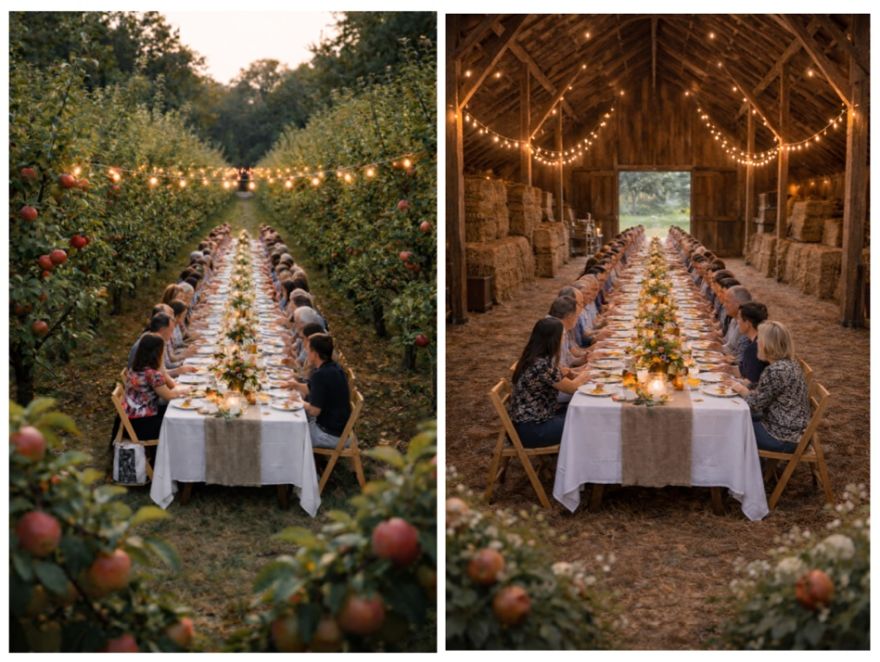
This premium ticket model translates directly into higher margins and more resilient revenue. When immersive dining is added to existing agritourism events, such as u-pick, festivals, or farm stays, it also expands revenue opportunities by monetizing evening hours and shoulder seasons that might otherwise go unused.
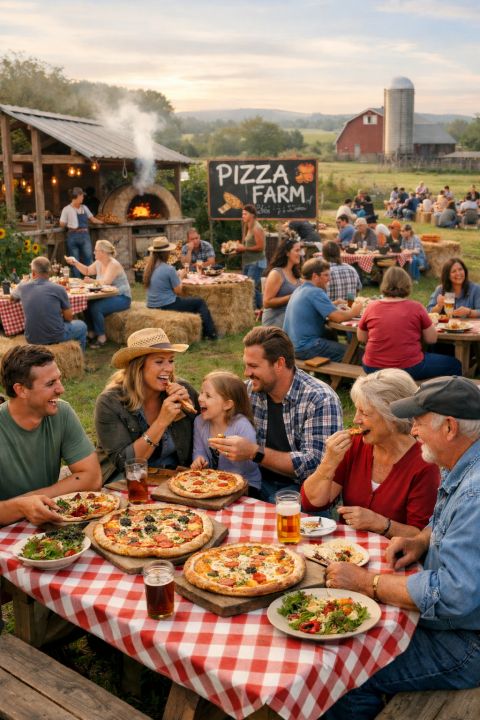
Alongside these higher-ticket farm dinners, farm pizza nights can offer an accessible, high-volume expression of the same transformational farm-to-table experience. At many pizza farms, guests gather to enjoy wood-fired pizzas topped with ingredients grown on site or sourced from nearby producers, dining in view of fields, barns, and orchards. The casual format, live music, lawn games, and open-air setting create a relaxed yet immersive environment that deepens the connection to the land and the people who farm it. While pricing is typically per pizza rather than at the 150 - 200-dollar-per-person level, these nights serve as a complementary, higher-throughput offering that introduces more guests to the farm's story and values and can convert first-time visitors into future buyers of premium, ticketed farm dinners or other events.
Taken together, when farms offer premium farm-to-table dinners, farmer-led tours, harvest suppers, pizza nights, and other immersive culinary events, they align their offerings with current trends, including the majority of diners seeking experiential formats, younger guests seeking story and connection, and broad consumer interest in local, values-driven food. That alignment gives agritourism farms highly appealing, profitable, and transformative experiences and strong differentiation.
Subscribe to Agritourism Today