
Vol. III, No. 12, December 2025
Get dirty with your beverages
In 2026, restaurants are expected to adopt a variety of innovative beverage trends focused on authenticity, health, and experiential drinking. These trends reflect a strong consumer desire for novel, experiential, and health-conscious beverage options.
Non-alcoholic choices are becoming mainstream, especially among Gen Z and Millennials pursuing mindful consumption or "sober curious" lifestyles. Gallup's August 2025 poll found that only 54% of U.S. adults now consume alcohol, down from 64% in 2019, and those that do are consuming less often. Only 50% of young adults age 18-34 now consume alcohol. The decline in alcohol consumption makes it even more important to offer trendy, experiential, higher gross profit non-alcoholic beverages.
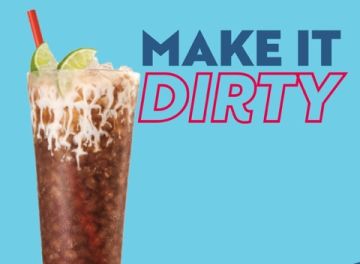
One already popular non-alcoholic option, "doctored up" sodas - customized or mixed sodas with added flavors, creams, fruits, or syrups - are expected to continue their rapid growth. This trend, known as "dirty soda," is driven by consumers' demand for premium, customizable, and Instagram-worthy non-alcoholic beverages that provide a sense of fun, nostalgia, and creativity.
Technomic describes dirty sodas as one of the standout non-alcoholic beverage trends driving growth on U.S. restaurant menus in 2025 and 2026. According to Technomic data, the dirty soda trend has seen rapid year-over-year growth, especially among Gen Z and "sober curious" consumers seeking premium, fun, and highly customizable options.
Both Coca-Cola and Pepsi are introducing ready-to-drink versions and shelf-stable flavor add-ons inspired by dirty soda culture. Expect products like Mug Floats Vanilla Howler Root Beer, Pepsi's "Dirty Dew" (with sweet cream), and Coca-Cola Cherry Float to hit shelves, making it easier for restaurants and c-stores to offer these experiences without in-house mixology.
Restaurant chains are experimenting with mix-ins such as sweetened creams, flavored syrups, coconut, fruit purées, spices, and dairy products, blended into classic sodas.
Several quick-service and casual dining chains are adding dirty sodas to their menus as the trend accelerates nationwide.
- McDonald's is testing dirty sodas at 500 restaurants.
- Taco Bell is rolling out dirty Mountain Dew Baja Blast and experimenting with premium soft drink LTOs.
- TGI Fridays has launched a dirty soda menu with options like Cherry Cream Cola and Strawberry SZN, and it even offers boozy add-ons for adult guests.
- Logan's Roadhouse introduced a branded line called "Saddled Up Sips," featuring dirty sodas such as Vanilla Coke with cream and Coco Crush (Coke, coconut syrup, cream).
- Other restaurant chains that have added dirty sodas to their menus include Applebee's, Jack in the Box, Burgerville, and El Pollo Loco.
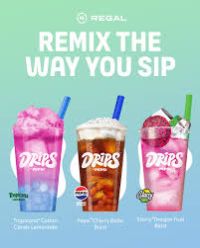
Earlier this year, Regal theaters embraced the "dirty soda" trend with Drips by Pepsi, which brought elaborate, sugary drinks such as Pepsi layered over cherry boba, topped with sweet cream cold foam and mini marshmallows, to concessions stands. The theater chain has also launched even more drinks inspired by the upcoming Wicked sequel, including lemonade with dark cherry boba and edible glitter.
Dirty sodas are an excellent way for agritourism farms to expand their non-alcoholic drink options, increasing their appeal, especially to younger adults, and boost profits. Restaurant operators report that dirty soda buyers spend on average $3 more per check than those who order standard beverages. The cost of a regular soda, including the cup, lid, and straw, is around $0.35, and it might sell for $2.89, for a gross profit of $2.54. The cost of a dirty soda can run about double, $0.70, but could sell for $4.29, for a gross profit of $3.59, a $1.05 higher profit than for a regular soda.
Dirty sodas are a great way for farms to diversify their drink menus, increase the appeal of their beverage selections, especially to young adults, and increase their profits.
Here's a website with a lot of easy dirty soda recipes - click HERE.
Subscribe to Agritourism Today